
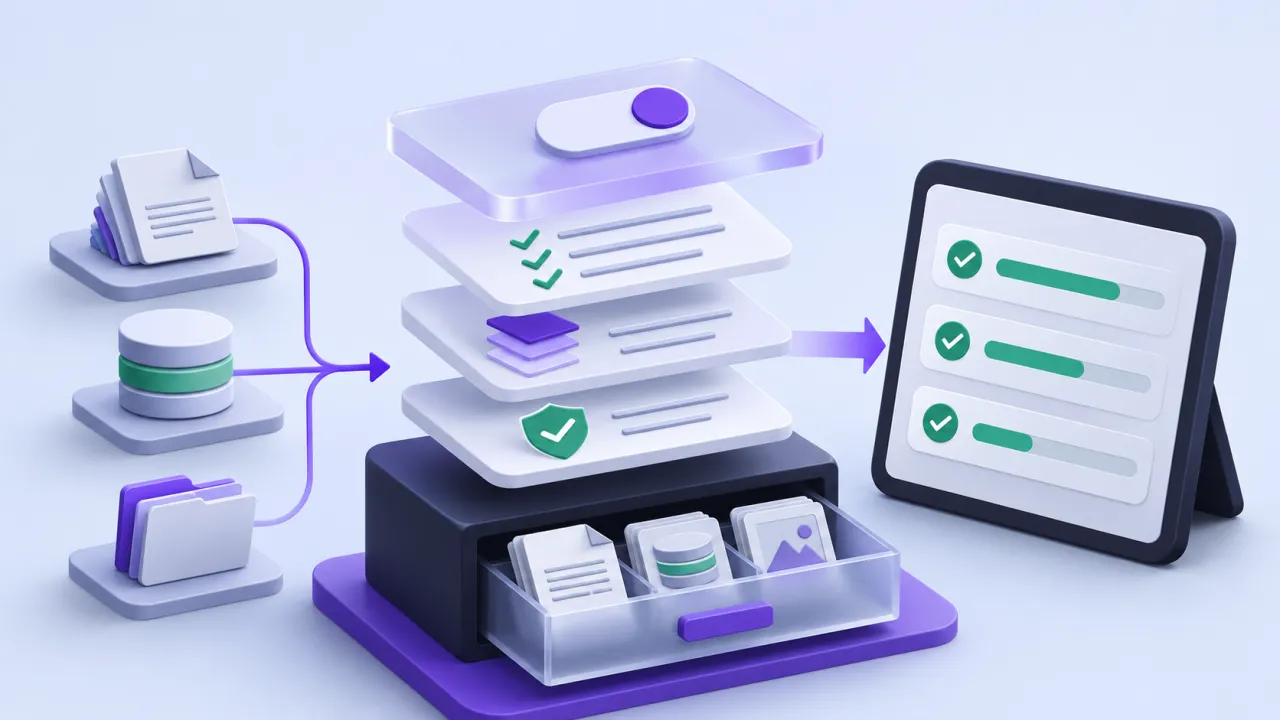
AI feature readiness is the ability to define a useful task, supply appropriate data, evaluate results and own failures. It is not a score produced by enthusiasm for the latest model. A bounded readiness assessment should end with a concrete decision: proceed, narrow the scope or resolve a specific dependency first.
The contract to define first
Assess task clarity, data access, permissions, evaluation examples, operating cost and human ownership. Record evidence for each area rather than averaging uncertain answers into a reassuring number. Distinguish a model demonstration from the integrated product workflow, especially when the proposed feature can write to external systems.
A worked scenario
A hypothetical team wants an assistant to change training plans. It has examples of good advice but no approved write workflow or recovery owner. The assessment can recommend a read-only first phase while the action contract is defined. That is a useful scope decision, not a failure to adopt AI.
An implementation and review sequence
- Define one task and its intended users
- Collect evidence for data evaluation permissions and ownership
- Choose a scoped next step with explicit dependencies
Failure cases worth testing
| Condition or input | Expected behavior |
|---|---|
| Good examples are unavailable | Evaluation readiness remains unresolved |
| The feature can change external state | Approval and recovery requirements are included |
| A read-only phase answers the need | The scope can remain narrow |
Download the illustrative acceptance checklist (JSON)
Tradeoffs and limits
A broad maturity framework can become disconnected from delivery. Keep the assessment focused on one proposed workflow and the evidence needed to accept it.
Use the result to make a decision
The practical output is straightforward: score data access task clarity failure handling and evaluation readiness. Keep the assumptions with the artifact so a product owner, implementer or prospective partner can review the same decision. A useful handoff states the supported scope, the evidence collected and the remaining dependency instead of treating a successful demonstration as proof of every operating condition.
Continue with related implementation detail
Related guide: Build a product AI agent around operations it is allowed to perform.
SaaS discovery sprint deliverables
AI feature procurement questions
References and current platform requirements
thoughtbot: customer discovery
The linked references provide platform or process context. The worked scenario and acceptance matrix are original examples; adapt them to the actual product, supported environment and documented responsibilities.
Discuss the workflow
Bring one customer workflow and its constraints to define a reviewable discovery scope.
Explore the relevant AptixLabs service
How should a team assess one proposed AI feature?
AI feature readiness is the ability to define a useful task, supply appropriate data, evaluate results and own failures. A broad maturity framework can become disconnected from delivery.
Which failure cases should be included in the review?
Include these explicit cases: Good examples are unavailable: evaluation readiness remains unresolved; The feature can change external state: approval and recovery requirements are included; A read-only phase answers the need: the scope can remain narrow.