
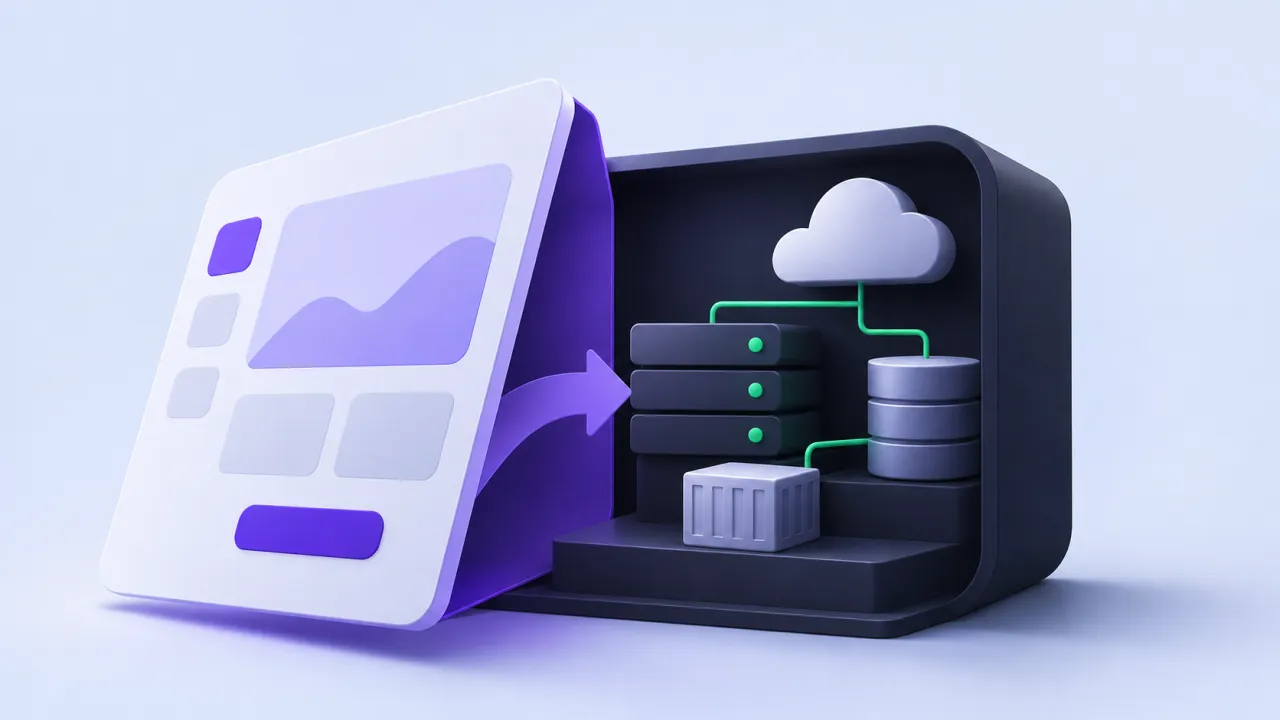
A polished prototype can validate comprehension and interaction ideas, but it cannot establish production reliability. Authentication, data lifecycle, integration failure and operational ownership often remain outside the prototype. Treat it as evidence for the questions it actually tested and make the remaining work visible.
The contract to define first
List each proposed capability and classify whether it is demonstrated, simulated or absent. Translate the chosen user flow into data, permissions and acceptance requirements. A production estimate should include these responsibilities rather than extrapolating from the apparent completeness of the screens. Keep exploratory design changes separate from committed implementation scope.
A worked scenario
A synthetic coaching prototype lets a designer move a client card between coaches. A production system must also reauthorize access, preserve history, notify appropriately and handle a failed assignment update. The drag interaction is one part of the task, not the whole feature.
An implementation and review sequence
- Label simulated and demonstrated behaviors
- Translate selected flows into data and permission contracts
- Estimate production acceptance work separately
Failure cases worth testing
| Condition or input | Expected behavior |
|---|---|
| A prototype uses static success data | It is not cited as integration evidence |
| A real record can be reassigned | Current access rules are tested |
| A design changes after scope approval | The delivery impact is made explicit |
Download the illustrative acceptance checklist (JSON)
Tradeoffs and limits
A prototype does not need production infrastructure to be useful. Adding that infrastructure too early can slow learning; the goal is to expose the boundary before treating the prototype as a finished product.
Use the result to make a decision
The practical output is straightforward: define what a prototype cannot prove about auth data and operations. Keep the assumptions with the artifact so a product owner, implementer or prospective partner can review the same decision. A useful handoff states the supported scope, the evidence collected and the remaining dependency instead of treating a successful demonstration as proof of every operating condition.
Continue with related implementation detail
Related guide: Scope an MVP around one complete customer workflow.
Figma Code Connect component mapping
References and current platform requirements
Figma: MCP server documentation
Figma: connecting React components
The linked references provide platform or process context. The worked scenario and acceptance matrix are original examples; adapt them to the actual product, supported environment and documented responsibilities.
Discuss the workflow
Bring a representative Figma flow and its component states to scope a design-to-code engagement.
Explore the relevant AptixLabs service
What does a prototype leave unproven?
A polished prototype can validate comprehension and interaction ideas, but it cannot establish production reliability. A prototype does not need production infrastructure to be useful.
Which failure cases should be included in the review?
Include these explicit cases: A prototype uses static success data: it is not cited as integration evidence; A real record can be reassigned: current access rules are tested; A design changes after scope approval: the delivery impact is made explicit.