
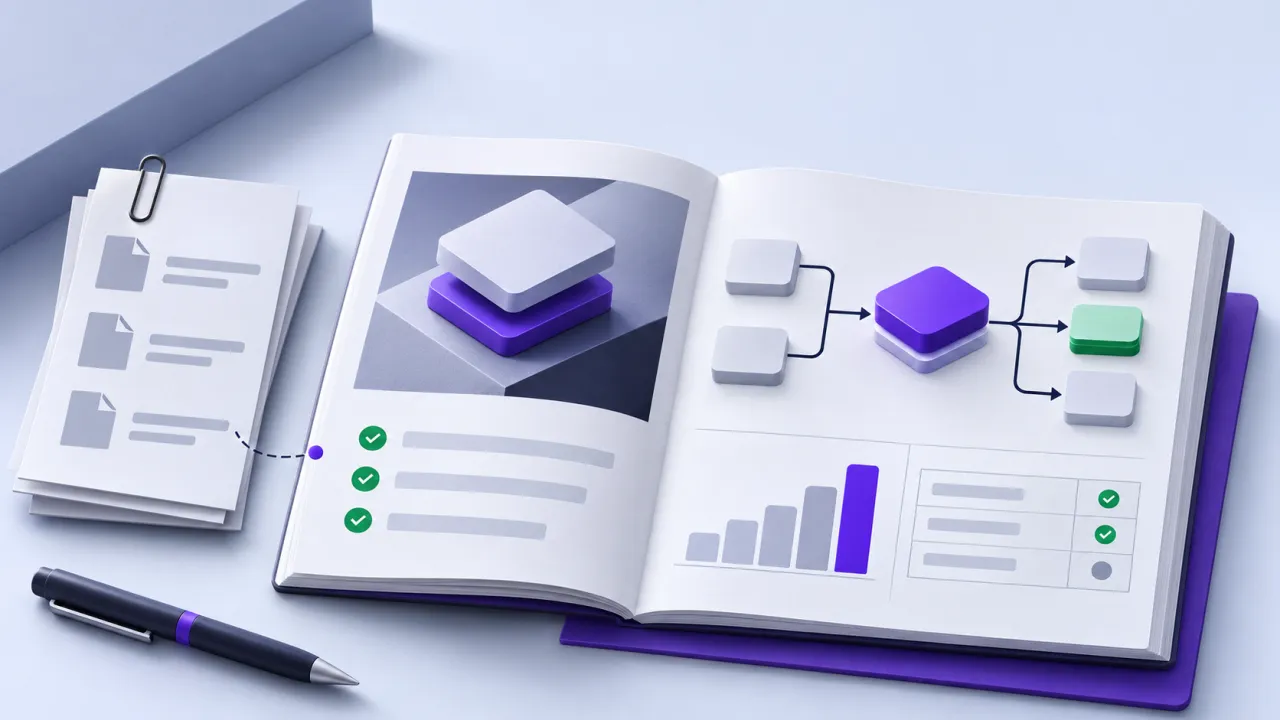
A technical case study should let a buyer understand the problem, the constraints and the evidence behind the result. Architecture alone does not prove commercial impact, and a commercial headline does not explain how the work was done. Separate implementation observations, measured outcomes and remaining limitations.
The contract to define first
Use a concrete workflow and identify the product version or period being discussed. Include a system diagram, a representative failure case and the acceptance evidence. If a metric is published, state its measurement conditions and denominator. Avoid borrowing performance from a local test and presenting it as worldwide production experience.
A worked scenario
A synthetic mobile optimization case might show a controlled before-and-after trace on one device. That is useful evidence when the device, workload and method are stated. It is not a claim that every user now loads the app in the same time.
An implementation and review sequence
- Define the concrete problem and delivery boundary
- Separate architecture from measured outcomes
- Publish measurement conditions and residual limitations
Failure cases worth testing
| Condition or input | Expected behavior |
|---|---|
| A result comes from a lab test | Its lab conditions are disclosed |
| A customer outcome has no evidence | It is not invented |
| A diagram contains a proposed component | It is labelled as proposed rather than deployed |
Download the illustrative acceptance checklist (JSON)
Tradeoffs and limits
Detailed technical evidence can distract a nontechnical buyer. Lead with the problem and resulting behavior, then make deeper artifacts available to readers evaluating implementation quality.
Use the result to make a decision
The practical output is straightforward: separate architecture evidence measured outcomes and untested proposals. Keep the assumptions with the artifact so a product owner, implementer or prospective partner can review the same decision. A useful handoff states the supported scope, the evidence collected and the remaining dependency instead of treating a successful demonstration as proof of every operating condition.
Continue with related implementation detail
Related guide: Building UltraFit360: the app, coach portal and shared backend
LinkedIn blog distribution measurement
SaaS content refresh prioritization
References and current platform requirements
Google Analytics: recommended events
Search Console: performance report
The linked references provide platform or process context. The worked scenario and acceptance matrix are original examples; adapt them to the actual product, supported environment and documented responsibilities.
Discuss the workflow
Bring one acquisition path and its enquiry-quality evidence to discuss measurement improvements.
Explore the relevant AptixLabs service
What makes a technical case study credible?
A technical case study should let a buyer understand the problem, the constraints and the evidence behind the result. Detailed technical evidence can distract a nontechnical buyer.
Which failure cases should be included in the review?
Include these explicit cases: A result comes from a lab test: its lab conditions are disclosed; A customer outcome has no evidence: it is not invented; A diagram contains a proposed component: it is labelled as proposed rather than deployed.