
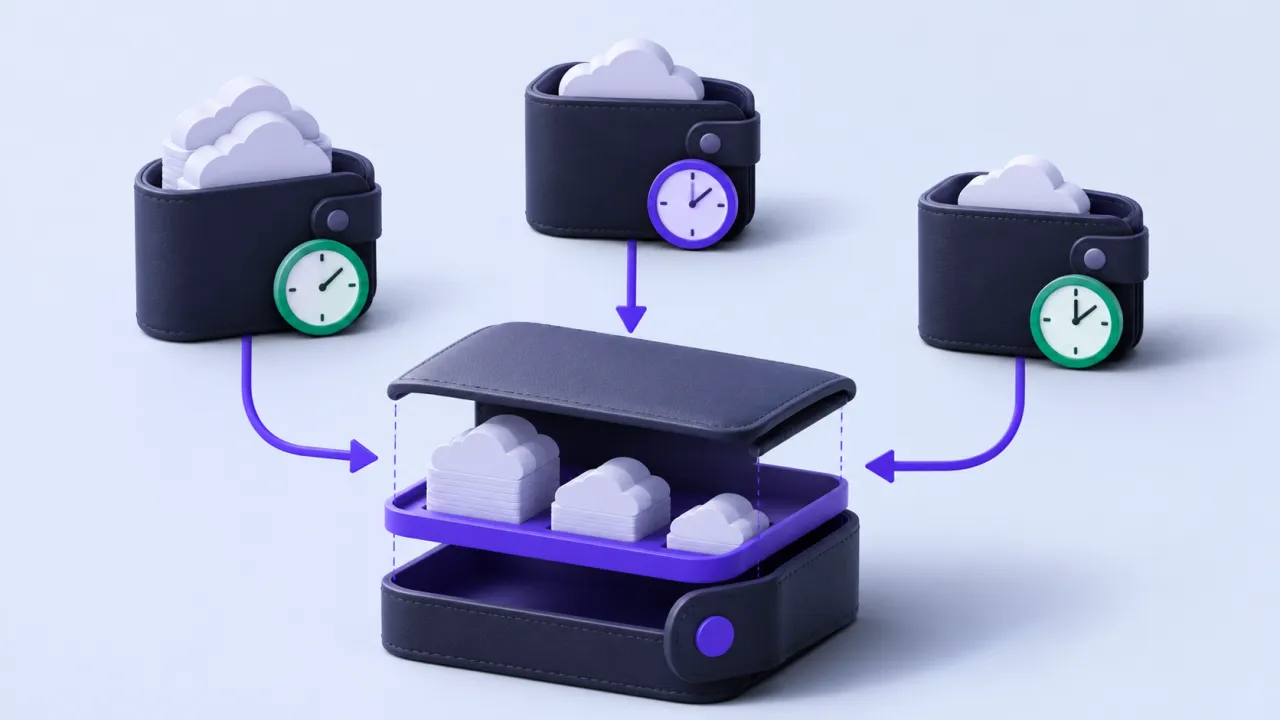
Startup credits are restricted purchasing power, not interchangeable cash. A useful comparison looks at eligibility, supported services, activation requirements, expiry and what happens when the balance runs out. The largest headline amount can be irrelevant if the product cannot use it or the company does not qualify.
The contract to define first
Build a dated provider matrix from current official programme terms. Record the applicable geography and stage, previous-credit restrictions and any exclusions relevant to the architecture. Keep approval uncertainty visible. Compare the post-credit operating model as carefully as the promotional period so the team does not optimize for a temporary subsidy at the expense of a maintainable product.
A worked scenario
A hypothetical startup needs managed database, inference and email services. One programme may cover some of that spend but not the entire stack. The comparison should show covered and uncovered costs separately, using the actual approved account terms before treating any savings as available.
An implementation and review sequence
- Compare official eligibility and service coverage
- Record activation and expiry requirements with dates
- Model the same workload after credits end
Failure cases worth testing
| Condition or input | Expected behavior |
|---|---|
| Headline maximum exceeds approved amount | Budget using the actual approved balance |
| A required service is excluded | Keep its expense in the cash forecast |
| Credits expire before consumption | Unused balance is not counted as realized savings |
Download the illustrative acceptance checklist (JSON)
Tradeoffs and limits
Applying everywhere creates administrative work and can encourage unnecessary multi-cloud complexity. Prioritize programmes that fit the planned architecture and operating capability.
Use the result to make a decision
The practical output is straightforward: build a dated eligibility exclusions and expiry comparison. Keep the assumptions with the artifact so a product owner, implementer or prospective partner can review the same decision. A useful handoff states the supported scope, the evidence collected and the remaining dependency instead of treating a successful demonstration as proof of every operating condition.
Continue with related implementation detail
Related guide: Budget AI features per completed task.
Microsoft startup credits application checklist
AI SaaS gross margin after credits
References and current platform requirements
Microsoft for Startups: current programme overview
Google Cloud: startup programme
Platform capabilities, programme terms and access conditions can change. Check the linked primary references against the version and account you actually use; the patterns above do not establish a provider approval, certification or universal compatibility guarantee.
Discuss the workflow
Discuss the product scope and post-credit operating assumptions; AptixLabs does not guarantee grants or funding.
Explore the relevant AptixLabs service
How should startup cloud-credit programmes be compared?
Startup credits are restricted purchasing power, not interchangeable cash. Applying everywhere creates administrative work and can encourage unnecessary multi-cloud complexity.
Which failure cases should be included in the review?
Include these explicit cases: Headline maximum exceeds approved amount: budget using the actual approved balance; A required service is excluded: keep its expense in the cash forecast; Credits expire before consumption: unused balance is not counted as realized savings.