
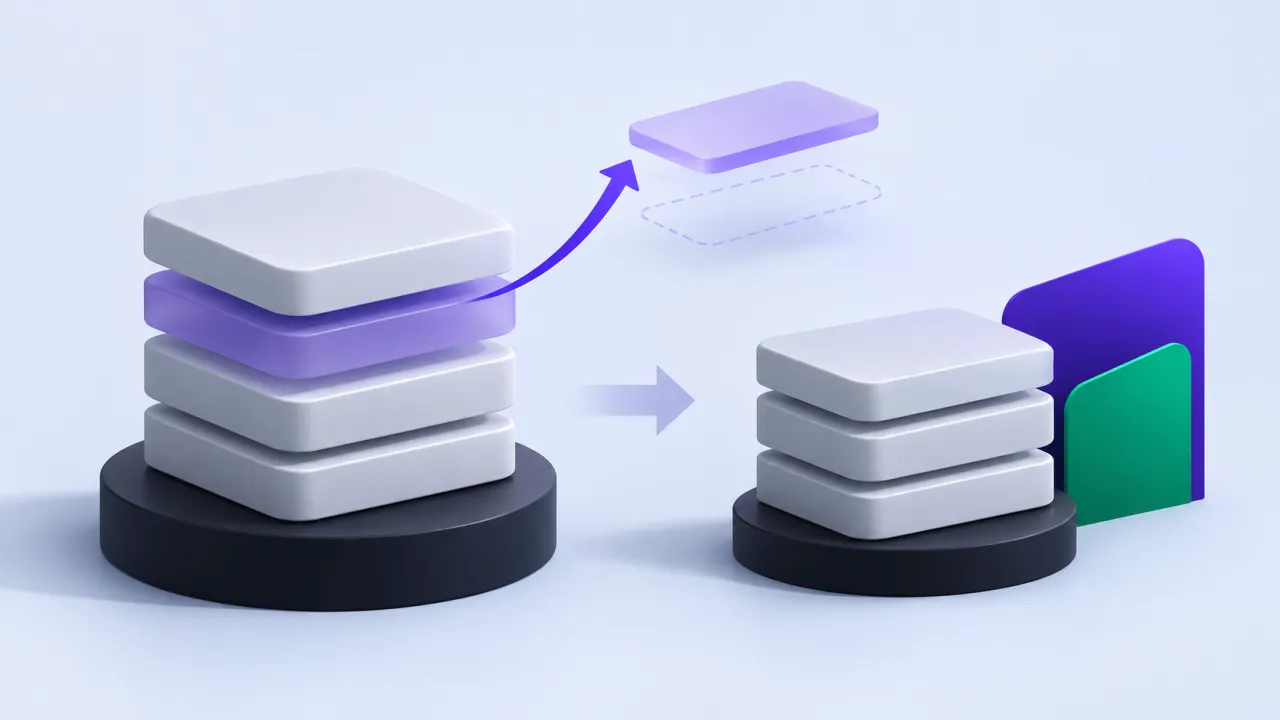
Temporary credits can make an AI product’s apparent gross margin look better than its ongoing economics. The underlying workload still consumes resources. A useful operating view shows both current billed expense and a clearly labelled normalized scenario using the applicable unsubsidized costs and allocation assumptions.
The contract to define first
Define the revenue unit and the costs included in the margin calculation. Separate temporary credits, recurring discounts and ordinary usage charges. Include failed attempts and human review where they are part of delivering the service. Formal accounting treatment should be reviewed by the appropriate professional; an engineering worksheet should not quietly substitute for financial reporting.
A worked scenario
A hypothetical account generates revenue while inference usage is covered by a promotional balance. The team should compare the current cash outflow with the expected cost after coverage ends. That comparison can reveal a pricing or workload problem before the expiration date.
An implementation and review sequence
- State the margin definition and included cost categories
- Separate promotional coverage from recurring operating costs
- Model post-credit usage with explicit sensitivity assumptions
Failure cases worth testing
| Condition or input | Expected behavior |
|---|---|
| Credits cover inference | Underlying usage remains in the normalized scenario |
| Review work increases | Its delivery cost is considered |
| Provider prices change | The dated scenario is recalculated |
Download the illustrative acceptance checklist (JSON)
Tradeoffs and limits
Normalized scenarios depend on future pricing and usage assumptions. Present sensitivity ranges and dates rather than claiming a precise future margin from today’s provider list price.
Use the result to make a decision
The practical output is straightforward: show contribution margin with and without temporary subsidies. Keep the assumptions with the artifact so a product owner, implementer or prospective partner can review the same decision. A useful handoff states the supported scope, the evidence collected and the remaining dependency instead of treating a successful demonstration as proof of every operating condition.
Continue with related implementation detail
Related guide: Usage-based billing for AI SaaS: make every charge explainable
Startup cloud credits comparison
MVP evidence investors can inspect
References and current platform requirements
Microsoft for Startups: current programme overview
Google Cloud: startup programme
Platform capabilities, programme terms and access conditions can change. Check the linked primary references against the version and account you actually use; the patterns above do not establish a provider approval, certification or universal compatibility guarantee.
Discuss the workflow
Discuss the product scope and post-credit operating assumptions; AptixLabs does not guarantee grants or funding.
Explore the relevant AptixLabs service
How do credits affect an AI margin worksheet?
Temporary credits can make an AI product’s apparent gross margin look better than its ongoing economics. Normalized scenarios depend on future pricing and usage assumptions.
Which failure cases should be included in the review?
Include these explicit cases: Credits cover inference: underlying usage remains in the normalized scenario; Review work increases: its delivery cost is considered; Provider prices change: the dated scenario is recalculated.